Legacy Hardware Repair
“Not worth fixing” usually means “not worth much second-hand”
Those are two different things, and only one of them matters.
The trade tends to price a repair against what a machine would fetch second-hand. That’s a fair rule of thumb for an ordinary laptop. It’s the wrong question entirely when the machine is doing a job that nothing else can do.
We don’t start with what your machine is worth. We start with what it does — and what it would cost you to be without it.
It had belonged to a customer’s late father. He knew the numbers before we started. You can’t buy that back.
The only laptop still able to run an American-built CNC. Its manufacturer had long since gone out of business, and the original control software existed nowhere else. Replacing the CNC would have cost close to a million pounds.
A genuine RS-232 port and a PCMCIA slot. More than once it has been the only thing in the building that could talk to a customer’s CNC, mill or wire eroder.
Parts are usually findable — sometimes off our own shelves, sometimes still available from the original manufacturer. On that CNC job Fujitsu were excellent at sourcing what we needed. It wasn’t cheap. The sums were never close.
Bring us the machine everyone else said no to.
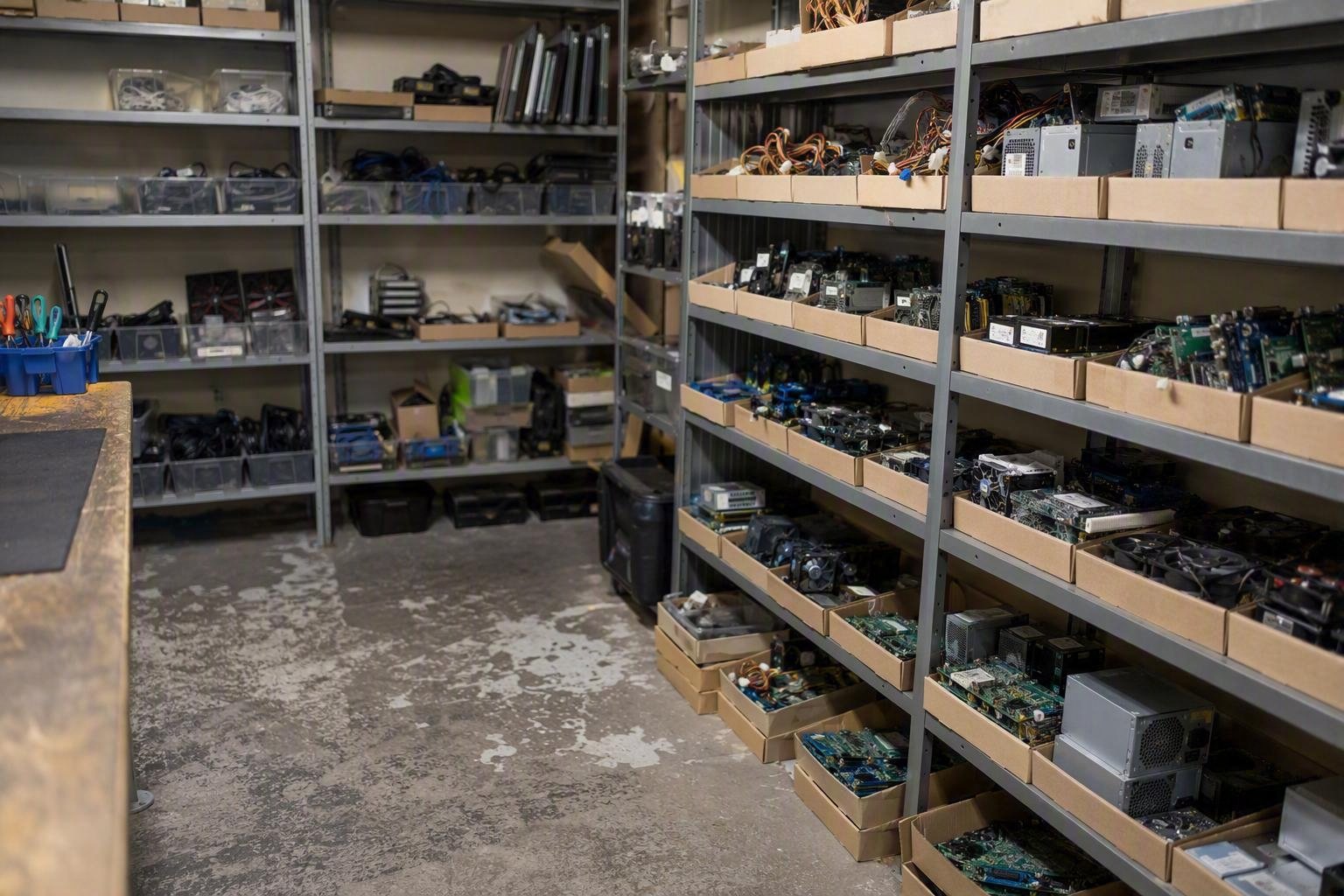
The everyday version of the same thing
- A laptop written off because “you can’t get that screen any more”
- A desktop that needs one stick of matching memory to run again
- A Mac with a failed drive, a broken hinge or a dead charger
- A machine that only needs a £4 part, quoted elsewhere as a £400 replacement
- Kit that has to keep running because the software on it can’t be moved
We’ll tell you honestly if it isn’t worth saving, and we’ll tell you before we start — see our PC and laptop repair services or data recovery.
Estimates are free. Looking at your machine, telling you what it needs and checking our own shelves costs you nothing. Tracking down a part that hasn’t been made in twenty years is a different job — if it comes to that we’ll say so first, agree a figure with you for the search, and put that towards the repair if you go ahead.
What’s on the shelves
We’ve been repairing computers in West Bromwich since 2000, and we’ve held on to the spares ever since. We don’t list this stock individually — it’s thousands of one-off items and it changes constantly. Here’s what we keep, by type:
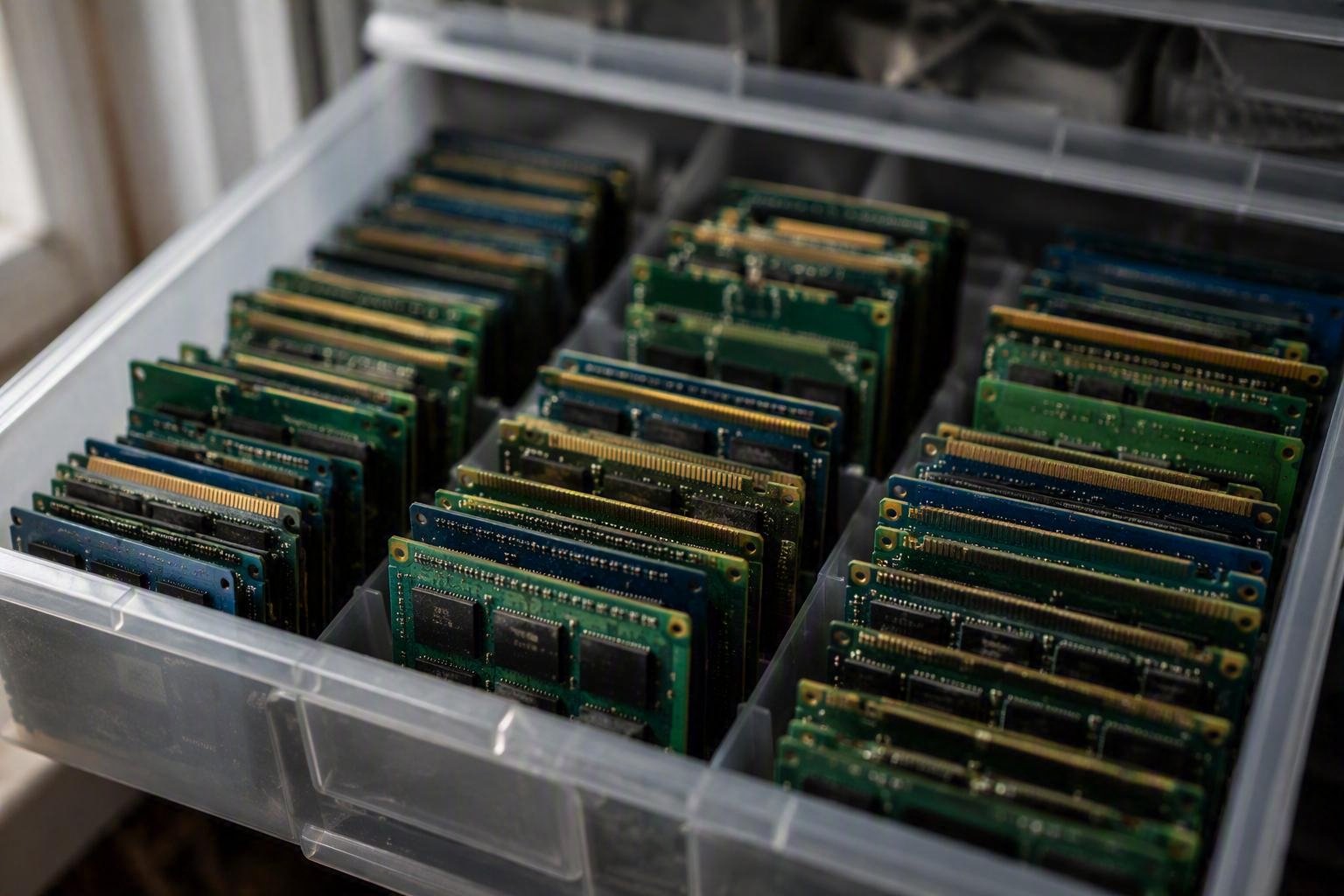
Memory
SDRAM (PC100, PC133) · DDR1 · DDR2 · DDR3 · laptop SODIMMs across the same generations
Storage
PATA/IDE hard drives, 3.5″ and 2.5″ · SATA drives · IDE optical drives · floppy drives · 40-way and 80-way ribbon cables · PATA-to-SATA and IDE-to-USB adapters · caddies and rails
Processors & motherboards
Socket 370, Socket A (462), Socket 478, LGA775 and AM2/AM3 boards and processors · matching coolers, retention brackets and backplates · thermal paste and pads
Graphics & expansion cards
AGP 2x/4x/8x · PCI graphics · early PCI Express · PCI sound, network, USB and serial/parallel cards
Power
ATX power supplies · laptop chargers and a large box of DC tips · replacement DC jacks
Laptop parts
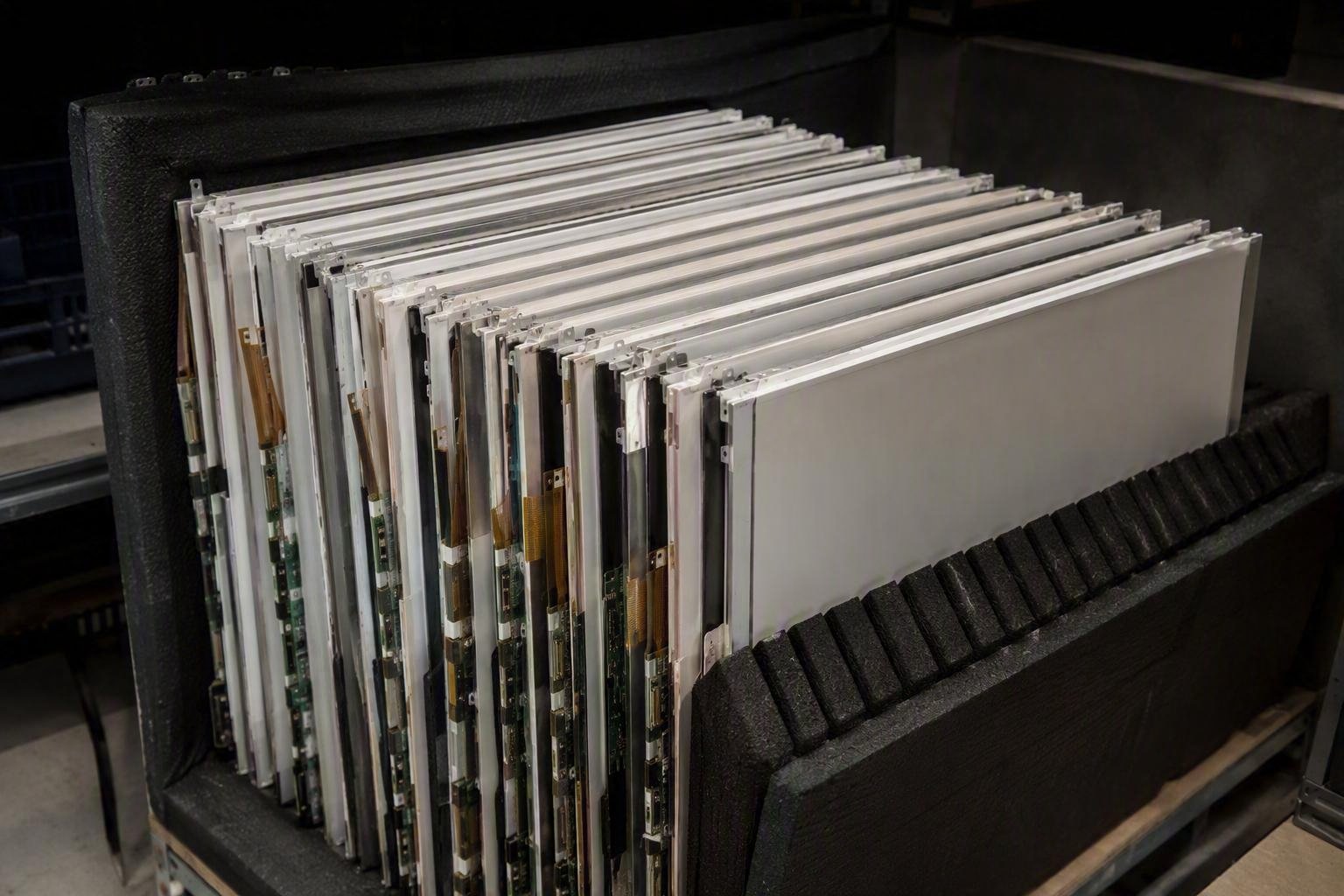
Screens and bezels · CCFL backlight inverters · keyboards and palmrests · hinges · optical drives · screws and covers
Apple & Mac (2005–2020)
MacBook and iMac keyboards and top cases · screens and bezels · SuperDrives · Mac SODIMM memory · iMac drives and thermal sensor cables · blade SSDs and adapters · MagSafe 1 and 2 chargers · hinges and clutch covers
Server parts
ECC and registered memory · SAS and SCSI drives · hot-swap caddies · redundant power supplies · RAID controllers · rack rails · high-static server fans
Legacy connections
PS/2 · RS-232 serial · parallel (LPT) · VGA · DVI · FireWire · PCMCIA and CardBus · IDE and SCSI
New old stock & consumables
Blank 3.5″ floppy disks · blank CD-R and DVD-R media · serial and PS/2 mice · older keyboards
The small stuff that stops a job dead
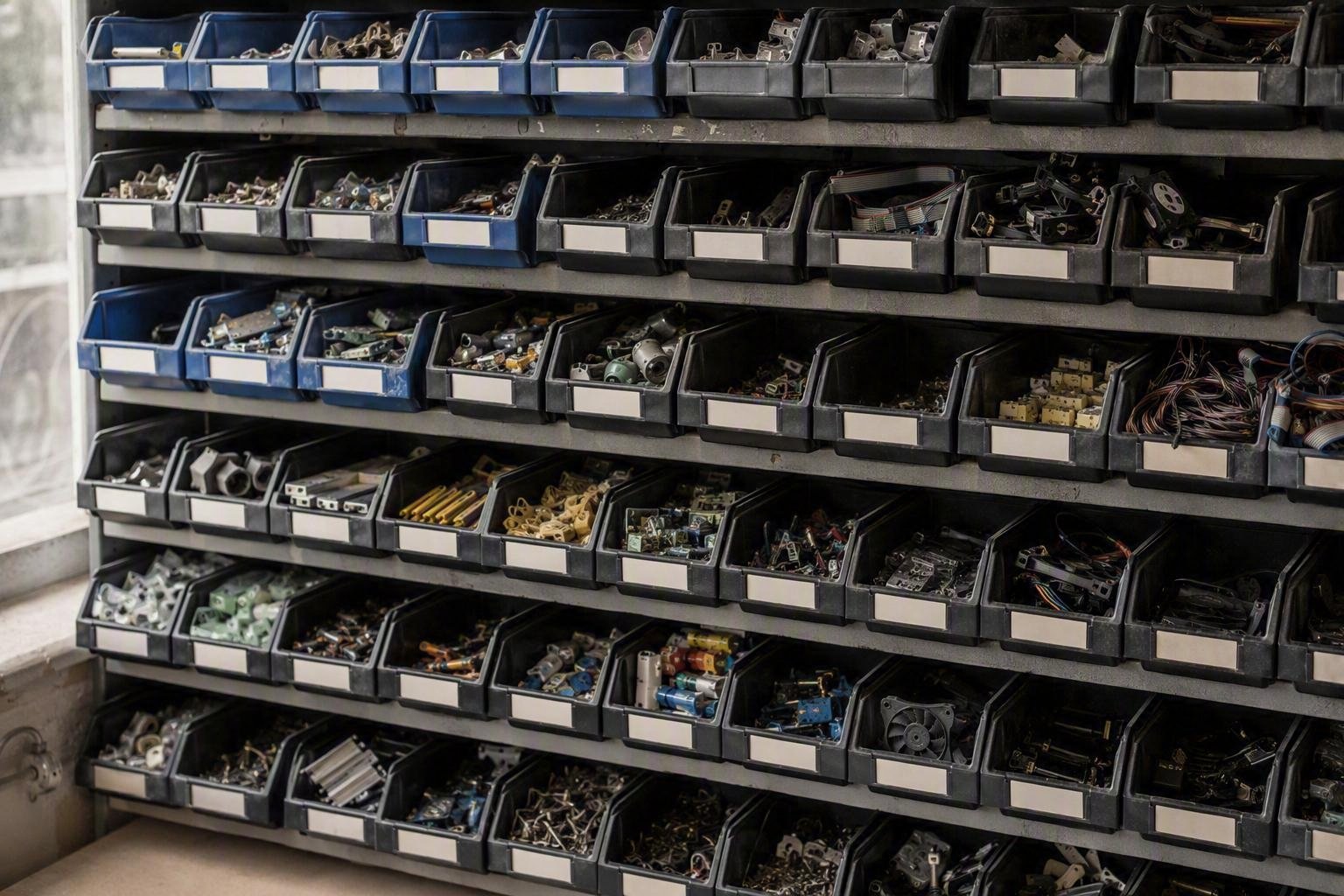
Case and motherboard screws · standoffs · rubber feet · blanking plates · jumpers · CMOS batteries · case fans in sizes nobody stocks any more
Machinery that can’t be replaced
A lot of expensive, perfectly good equipment is controlled by a computer that can’t easily be swapped out: CNC machines, mills, wire eroders, test rigs, embedded controllers, till systems and laboratory instruments — often running software that only talks to a serial or parallel port, and that nobody sells any more. When the manufacturer has gone out of business, replacing the computer can mean replacing the machine.
We keep those systems going. We also keep the tools to reach them: alongside the parts, there’s a 1998 laptop on our bench with a true RS-232 port and a PCMCIA slot, because USB adapters don’t always do the job on older industrial kit.
If everything stops when that one old PC stops, talk to us. We can usually repair it — and we can often build you a spare to keep on the shelf.
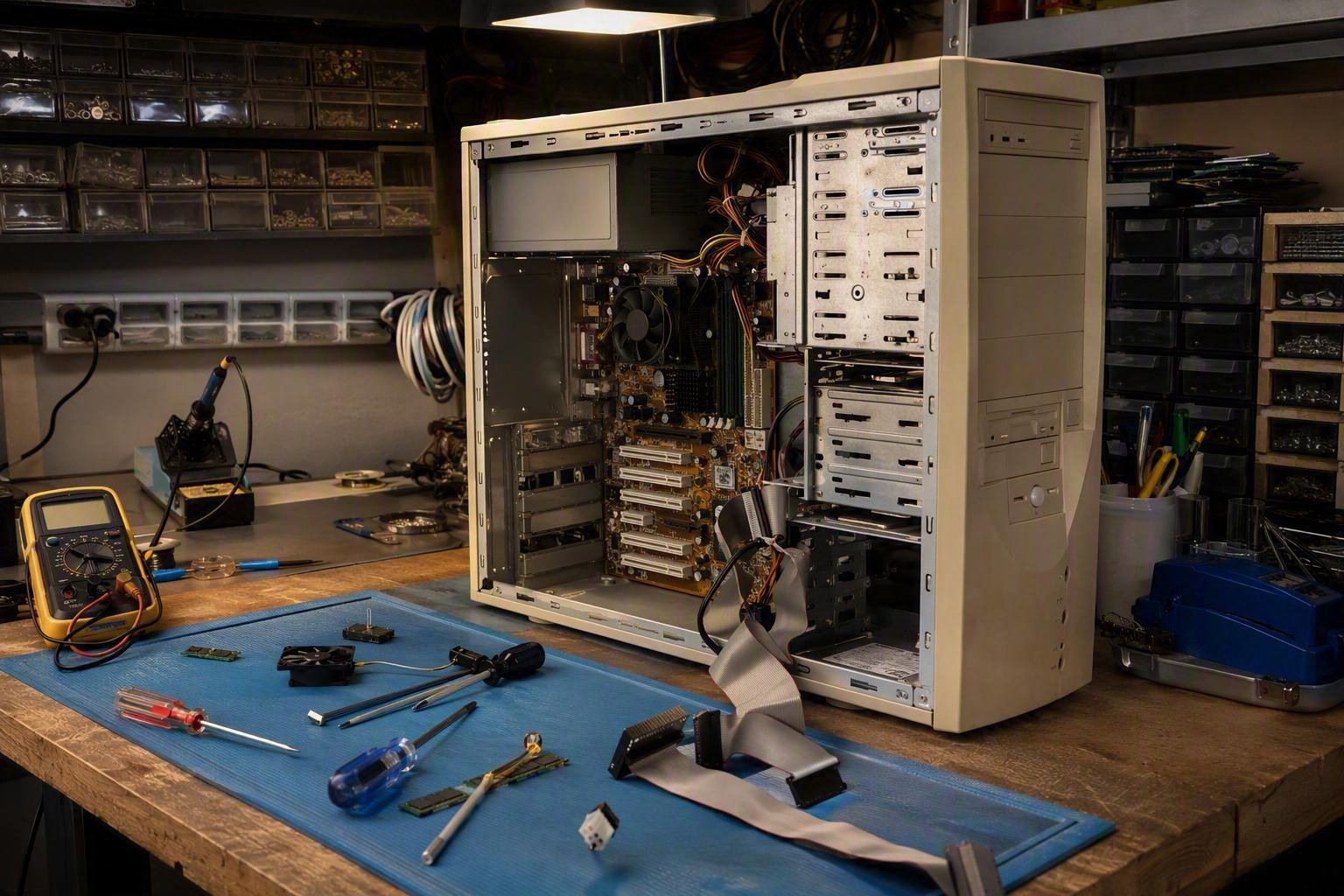
Got an old machine, or hunting a particular part?
Tell us the make and model, or send a photo. We’ll go and look, and come back to you with an honest answer — whether we’ve got it, what it will cost, and whether we think it’s the right call.
Clearing out old kit?
We’re always glad to take old computers, laptops, servers and spares off your hands — it’s what keeps these shelves stocked. See donate an old computer, IT equipment for spare parts or business equipment collection.
Drop off, or post it
Drop-off repairs in West Bromwich (by appointment), or send your device by tracked courier from anywhere in the UK. See how to pack a laptop for repair.